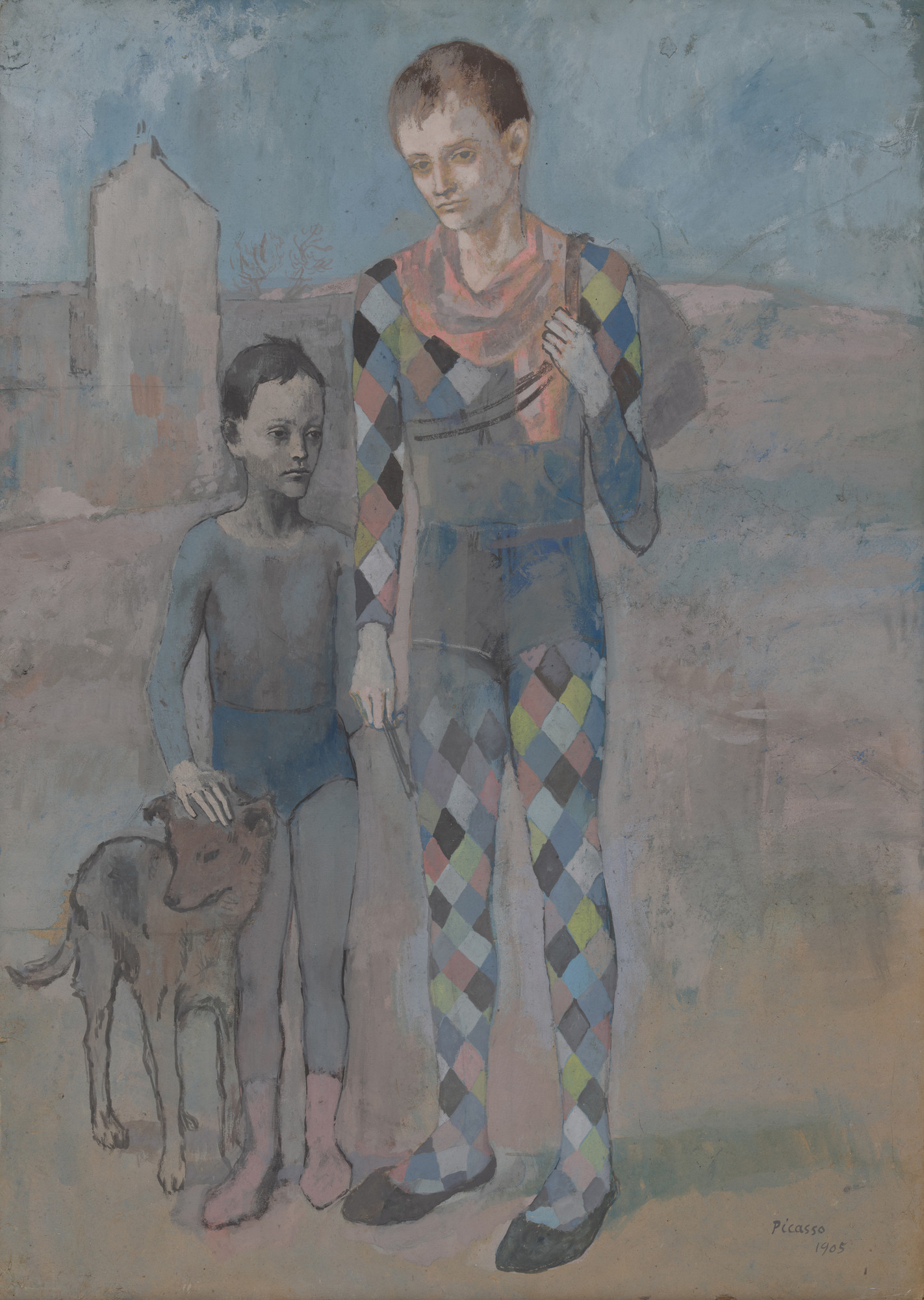
Image: Musée National Picasso-Paris / Public Domain
View source →The Acrobat
Pablo Picasso, 1930
Technical Details
Medium
Oil on canvas
Dimensions
162 × 130 cm (63.8 × 51.2 in)
Style
Surrealism
Decade
1930s
About This Work
The Acrobat depicts a single figure in an impossible contortion — the body twisted and stretched beyond human possibility, the limbs arranged in a configuration that defies anatomy. The painting is one of the most extreme examples of Picasso's Surrealist transformation of the human figure, pushing the body to its limits in a celebration of physical virtuosity.
Painted in 1930, The Acrobat belongs to the period of Picasso's most intense engagement with Surrealism. The circus and acrobatic figures that had appeared in his Rose Period work return here transformed by the Surrealist imagination into figures of impossible physical complexity.
Current Location
Musée National Picasso-Paris, Paris, France
Public Collection — Open to visitors
Visit museum website →Valuation & Provenance
2026 Estimated Value
$40–60 million (est.)
* Estimates are based on comparable auction results and market analysis. Not a formal appraisal.
Last Known Sale
No public auction record — held in permanent museum collection
Keywords
Continue Exploring
Related Artworks
Chosen for shared style, era, medium, subject, or date.
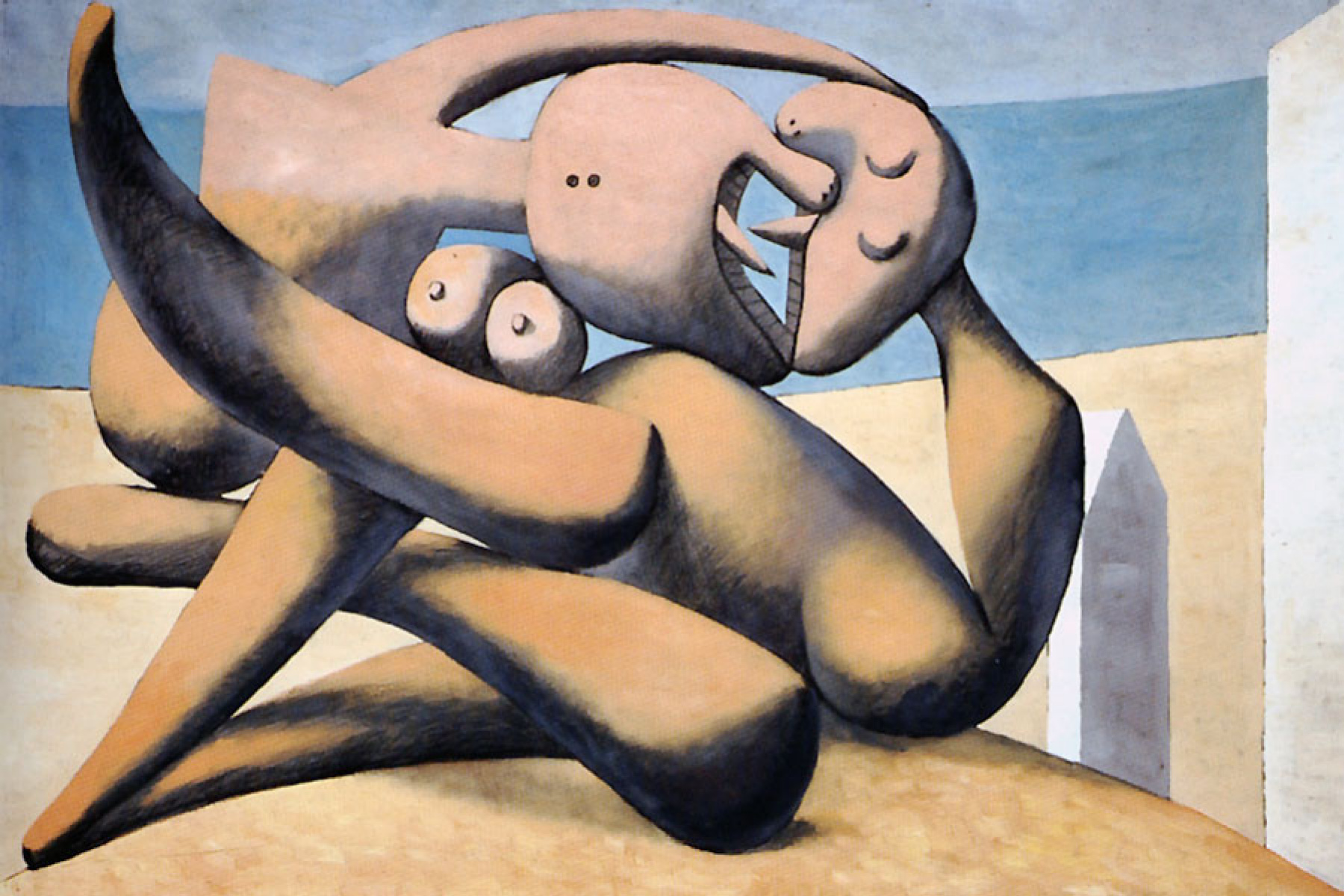
Figures on a Beach
1931 · same style · same era
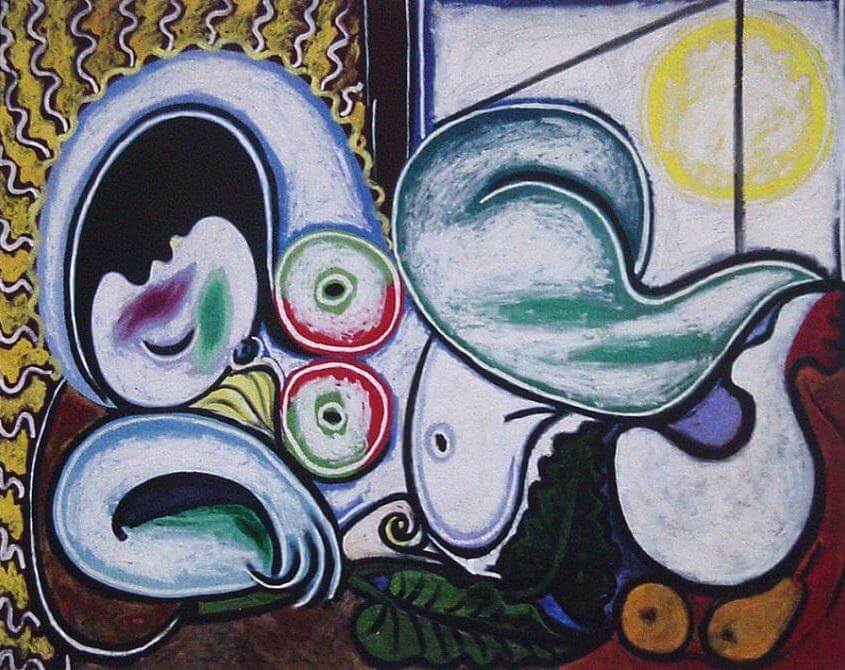
Reclining Nude
1932 · same style · same era
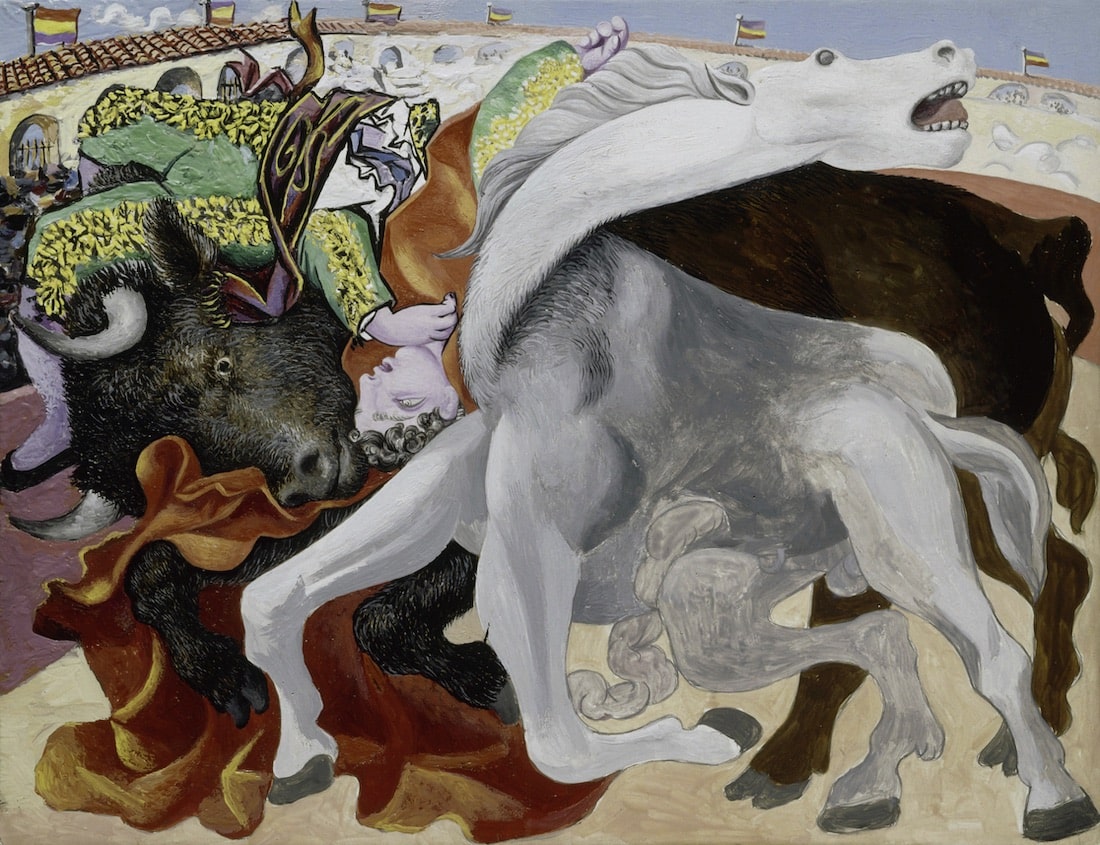
Bullfight: Death of the Toreador
1933 · same style · same era
The Milliner's Workshop
1926 · same style · same era
Nude Standing by the Sea
1929 · same style · same era
Figures at the Seaside (Figures au bord de la mer)
1931 · same style · same era
Shop Related Products
If you love this surrealist period masterpiece, explore these curated books and resources on Amazon.
Picasso: A Biography by John Richardson
Comprehensive biography exploring Picasso's life and artistic evolution
The Weeping Woman Art Print
Striking Surrealist portrait from Picasso's emotional period
Picasso: A Life Documentary
Comprehensive documentary chronicling Picasso's entire artistic journey
As an Amazon Associate, we earn from qualifying purchases. Each product link is unique to help us track which recommendations resonate most with our visitors.