Image: Artwork image rights managed by holding institution; source link provided
View source →Bust of a Woman
Pablo Picasso, 1931
Technical Details
Medium
Original plaster
Dimensions
62.5 × 28 × 41.5 cm
Style
Surrealism
Decade
1930s
About This Work
Created in 1931 at Pablo Picasso’s Normandy studio in Boisgeloup, 'Bust of a Woman' (Buste de femme) is a commanding and psychologically charged original plaster sculpture measuring 62.5 by 28 by 41.5 centimeters. The sculpture depicts a stylized female bust characterized by swelling, biomorphic contours, bulbous facial volumes, and an expressive, open-mouthed protrusion that evokes both primal aggression and ecstatic vulnerability. Picasso masterfully utilizes the tactile qualities of raw plaster to model sweeping, volumetric forms that merge organic anatomical features with architectural monumentality. The smooth, rounded cranial dome contrasts sharply with the jagged, cavernous facial features and columnar neck, creating a powerful sculptural tension. Rather than relying on realistic mimesis, Picasso distorts and exaggerates facial proportions to reflect profound psychological interiority and surrealist metamorphosis. The monochromatic white surface of the plaster captures shifting light and shadow across its undulating planes, emphasizing mass, void, and tactile presence in space.
Executed in 1931 during a watershed period of sculptural revival in Picasso’s career, 'Bust of a Woman' was conceived at the Château de Boisgeloup near Gisors, a property he acquired in 1930 to escape Parisian distractions and pursue large-scale sculpture. This rural refuge catalyzed an extraordinary surge in three-dimensional production, deeply intertwined with the intense artistic and romantic inspiration provided by his secret muse, Marie-Thérèse Walter. The biomorphic distortions and eroticized, monumental forms of this plaster sculpture reflect the broader intellectual currents of Surrealism championed by André Breton and Georges Bataille, exploring the subconscious, metamorphic anatomy, and primal urges. Many of the plasters created at Boisgeloup served as master models intended for subsequent casting in bronze or iron, capturing a fragile, direct stage of Picasso's tactile creation. Entering the state collection via the historic Dation Pablo Picasso in 1979, the work is now permanently housed at the Musée National Picasso-Paris under inventory number MP293, standing as a pivotal monument of interwar modernist sculpture.
Current Location
Musée National Picasso-Paris, Paris, France
Public Collection — Open to visitors
Visit museum website →Collection record status
Live institutional record fetched.
Source-linked entry contains a provenance or acquisition statement; full ownership-chain claims remain limited to the cited institution.
Image access: Permission required.
Valuation & Provenance
2026 Estimated Value
Public collection / market value not asserted
* Estimates are based on comparable auction results and market analysis. Not a formal appraisal.
Last Known Sale
No public auction record — held in permanent museum collection
Keywords
Continue Exploring
Related Artworks
Chosen for shared style, era, medium, subject, or date.
The Crucifixion
1930 · same style · same era
The Red Armchair
1931 · same style · same era
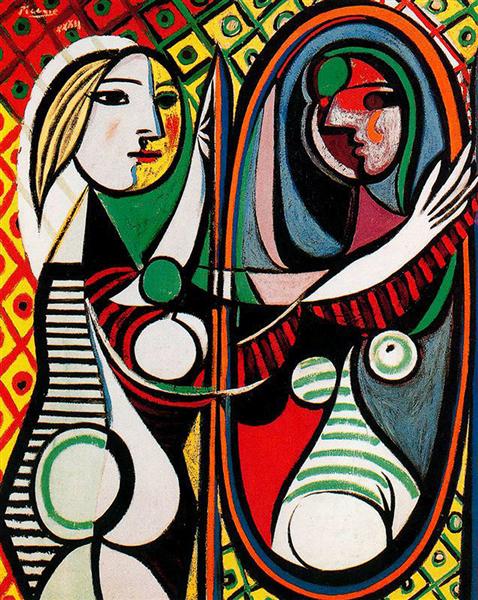
Girl Before a Mirror
1932 · same style · same era
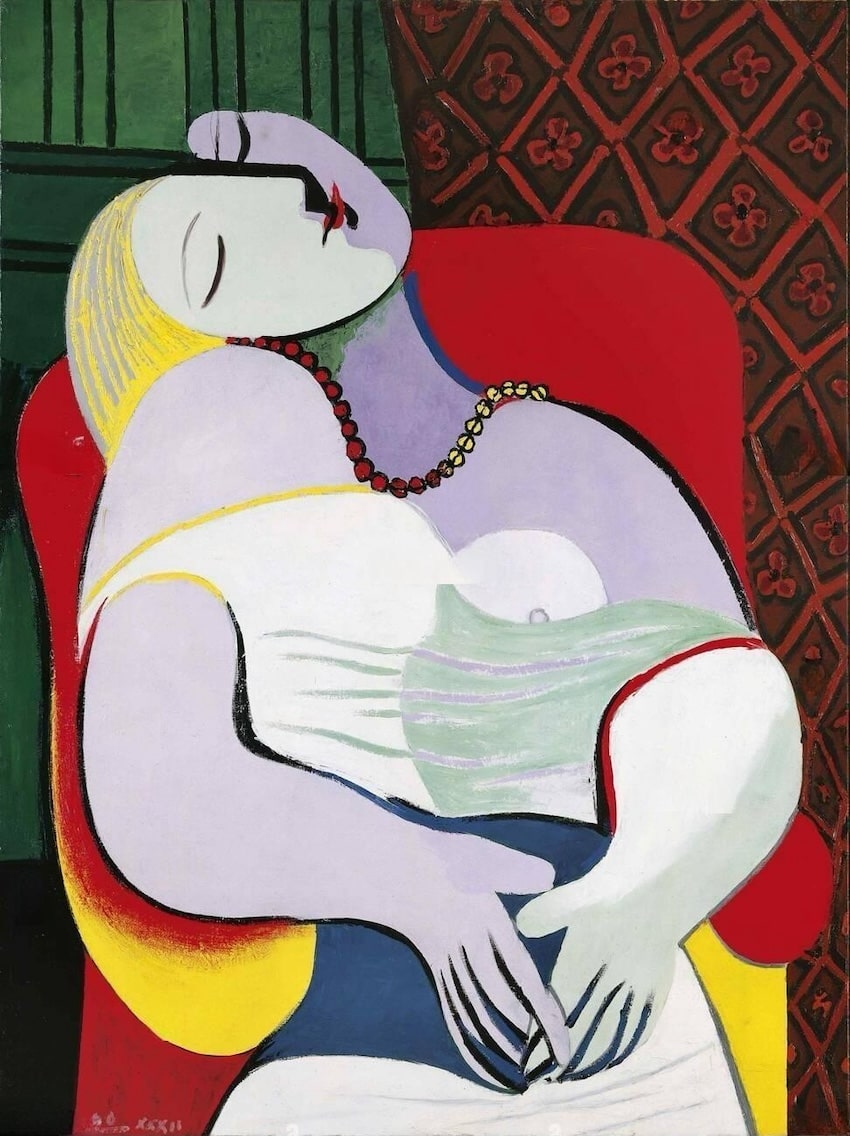
Le Reve (The Dream)
1932 · same style · same era
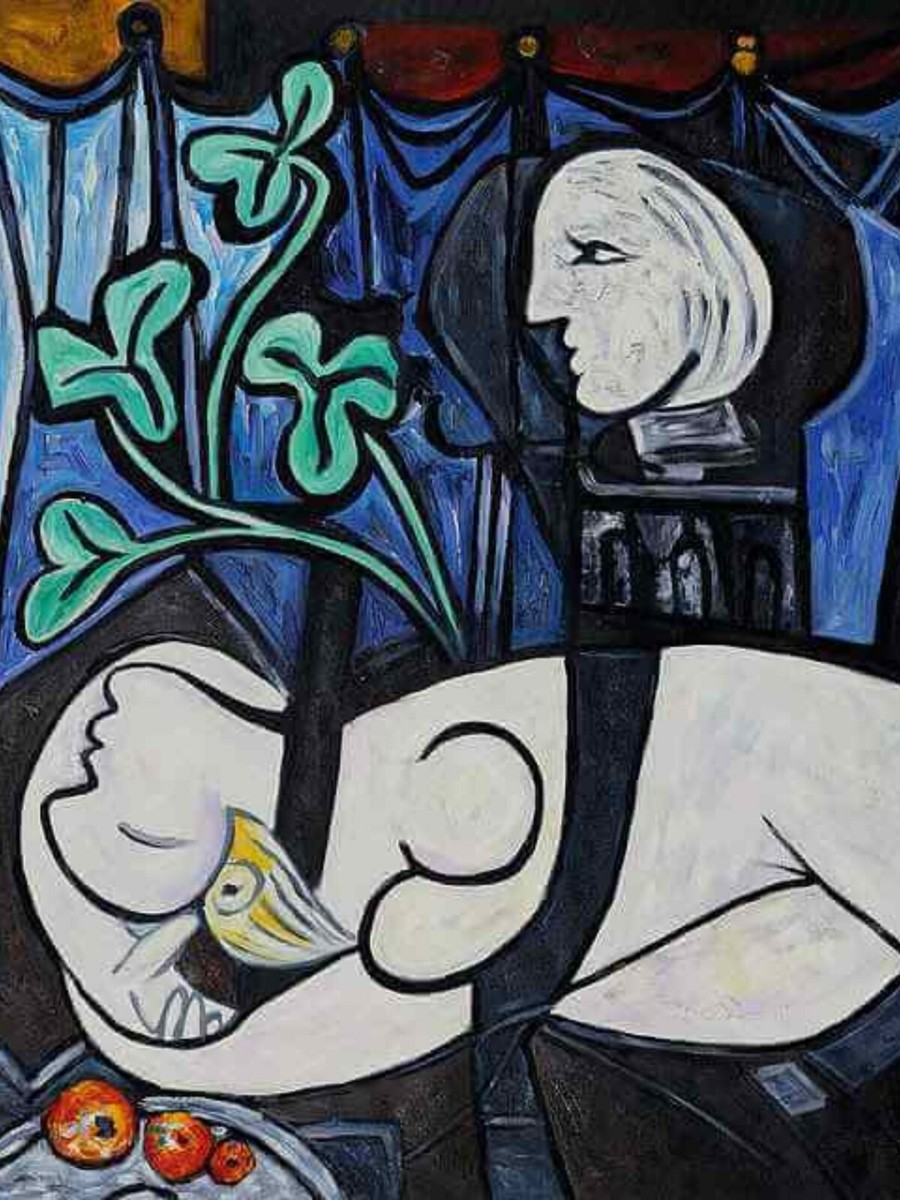
Nude, Green Leaves and Bust
1932 · same style · same era
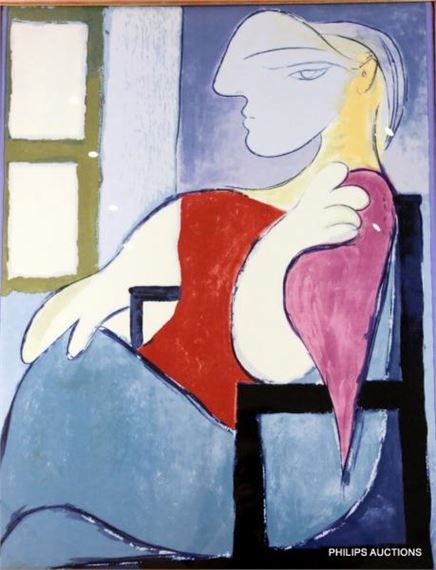
Femme assise pres d'une fenetre (Marie-Therese)
1932 · same style · same era
Shop Related Products
If you love this surrealist period masterpiece, explore these curated books and resources on Amazon.
Picasso: A Biography by John Richardson
Comprehensive biography exploring Picasso's life and artistic evolution
The Weeping Woman Art Print
Striking Surrealist portrait from Picasso's emotional period
Picasso: A Life Documentary
Comprehensive documentary chronicling Picasso's entire artistic journey
As an Amazon Associate, we earn from qualifying purchases. Each product link is unique to help us track which recommendations resonate most with our visitors.